
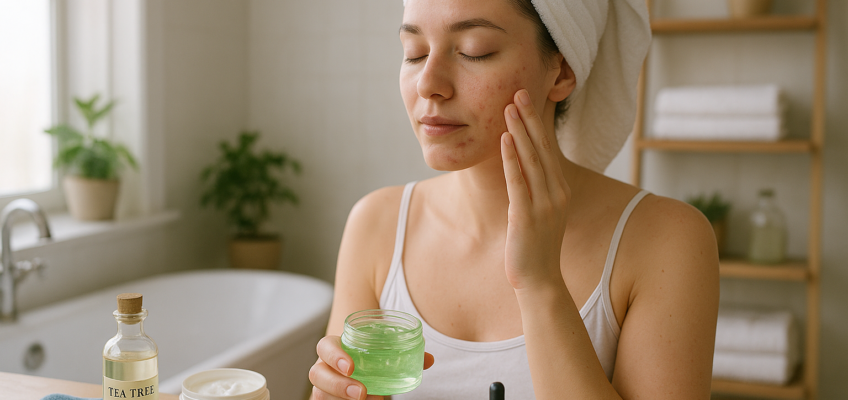
How to Flatten Cystic Acne Fast at Home
Dealing with cystic acne can be both physically painful and emotionally distressing. Unlike regular pimples, cystic acne forms deep beneath the skin, resulting in large, red, and inflamed cysts. The good news is that there are methods to treat cystic acne from the comfort of your home. This article provides insights into strategies and products that can help you flatten cystic acne quickly and effectively.
Understanding Cystic Acne
Before diving into treatment options, it’s important to understand what sets cystic acne apart from other types. Cystic acne is a severe form of acne caused by clogged pores, hormonal changes, or increased oil production. Unlike surface acne, cystic acne penetrates deeper into the skin layers, making it more challenging to treat.
Recognition of cystic acne’s characteristics is the first step in addressing it effectively. Typical signs include large, pus-filled cysts, redness, and tenderness. Identifying cystic acne early can allow for more targeted interventions.
Home Remedies and Lifestyle Adjustments
Home remedies can offer a natural way to reduce inflammation and prevent further breakouts. Here are some effective strategies:
- Tea Tree Oil: Known for its natural antibacterial properties, applying diluted tea tree oil directly to cystic spots can reduce swelling and kill acne-causing bacteria.
- Cold Compress: Applying a cold compress can help reduce swelling and numb the pain associated with cystic acne.
- Aloe Vera: Gently applying aloe vera gel can soothe inflammation and support skin healing.
Additionally, making lifestyle changes such as maintaining a balanced diet, staying hydrated, and reducing dairy intake can support overall skin health and prevent flare-ups.
Effective Over-the-Counter Treatments
When home remedies aren’t sufficient, over-the-counter solutions can be an excellent option. Products with ingredients like benzoyl peroxide, salicylic acid, or sulfur can target acne by unclogging pores and reducing inflammation.
For those interested in chemical exfoliation, Exfoliateshop offers accessible chemical peels that don’t require a prescription. Such products work by gently removing the top layer of dead skin, promoting cell turnover, and can be a vital part of an acne-reducing skincare routine.
When to Consult a Dermatologist
If cystic acne persists despite trying home and over-the-counter treatments, professional medical advice may be necessary. A dermatologist can prescribe stronger medications such as oral antibiotics, contraceptives (for hormonal acne), or isotretinoin, significantly helping severe cystic acne cases.
It’s essential to consult a professional, particularly if home treatments cause adverse reactions or if the acne becomes increasingly painful.
Preventative Skincare Tips
Preventing cystic acne may be challenging, but certain habits can significantly reduce future outbreaks:
- Daily Cleansing: Use a gentle cleanser to remove excess oil and impurities without stripping away essential moisture.
- Non-comedogenic Products: Opt for skincare and makeup products that are labeled non-comedogenic to avoid pore-clogging ingredients.
- Regular Exfoliation: Incorporating gentle exfoliation 1-2 times a week can prevent dead skin buildup, a common trigger for cystic acne.
Regularly follow a consistent skincare routine tailored to your skin type to help minimize the recurrence of cystic acne.
(FAQ) Frequently Asked Questions
Q: Can diet affect cystic acne?
A: Yes, diet plays a role in skin health. Foods high in sugar and dairy may contribute to acne outbreaks.
Q: How long does it take for cystic acne to heal?
A: Cystic acne can take several weeks to heal, but consistent treatment can expedite the process.
Q: Is it okay to pop cystic acne?
A: No, popping cystic acne can lead to scarring and worsen the condition.
Q: Can stress cause cystic acne?
A: Stress is a known trigger for acne due to hormonal changes that can increase oil production.
Q: Are chemical peels safe for treating cystic acne?
A: Yes, when used correctly, chemical peels can be safe and effective for reducing acne. Always follow instructions and consult a dermatologist if unsure.
Recommended Products
-

Fruit Clay Washable Mask 20g/0.7oz Sachet (10pcs)
Lemon Peel Extract + Orange Peel Extract + Kaolin
USD $32.00 Buy product -

Papaya Clay Washable Mask 20g/0.7oz Sachet (10pcs)
Papaya Extract + Kaolin
Dark SpotsEnlarged PoresExfoliationHyperpigmentationMedium StrengthOily/Acneic SkinSebum ControlUneven Skin ToneUSD $32.00 Buy product -

Wrinkle Free Clay Washable Mask 20g/0.7oz Sachet (10pcs)
Vitamin E + Kaolin
Dull SkinEnlarged PoresExfoliationFine LinesLight StrengthNormal/Combo SkinSkin HydrationUneven Skin ToneUSD $32.00 Buy product -

Dead Sea Clay Washable Mask 20g/0.7oz Sachet (10pcs)
Dead Sea Extract + Kaolin
BlackheadsCell TurnoverEnlarged PoresExfoliationMedium StrengthOily/Acneic SkinSebum ControlUneven Skin ToneUSD $32.00 Buy product -

Sea Weed Clay Washable Mask 20g/0.7oz Sachet (10pcs)
Sea Weed Extract + Kaolin
BlackheadsDull SkinEnlarged PoresExfoliationMedium StrengthOily/Acneic SkinSebum ControlUneven Skin ToneUSD $32.00 Buy product -

Chocolate Clay Washable Mask 20g/0.7oz Sachet (10pcs)
Cocoa Powder + Kaolin
BlackheadsExfoliationHyperpigmentationMedium StrengthOily/Acneic SkinScarsSkin LighteningUneven Skin ToneUSD $32.00 Buy product -

Activated Bamboo Charcoal Clay Washable Mask 20g/0.7oz Sachet (10pcs)
Bamboo Charcoal + Kaolin
BlackheadsCell TurnoverDeep StrengthDull SkinExfoliationOily/Acneic SkinSebum ControlUneven Skin ToneUSD $32.00 Buy product -

Gluta Arbut Arginine Clay Washable Mask 20g/0.7oz Sachet (10pcs)
Glutathione + Arbutin + Arginine + Kaolin
Cell TurnoverDark SpotsExfoliationHyperpigmentationMedium StrengthNormal/Combo SkinSkin LighteningUneven Skin ToneUSD $32.00 Buy product -

Vitamin C Collagen Clay Washable Mask 20g/0.7oz Sachet (10pcs)
Vitamin C + Collagen + Kaolin
Aging SkinDark SpotsDull SkinEnlarged PoresFine LinesHyperpigmentationOily/Acneic SkinRough TextureUneven Skin ToneUSD $32.00 Buy product -

Aloevera Vitamin B3 Clay Washable Mask 20g/0.7oz Sachet (10pcs)
Aloevera + Niacin + Kaolin
ExfoliationHyperpigmentationMedium StrengthNormal/Combo SkinSkin HydrationSkin LighteningStimulates CollagenUneven Skin ToneUSD $32.00 Buy product


