
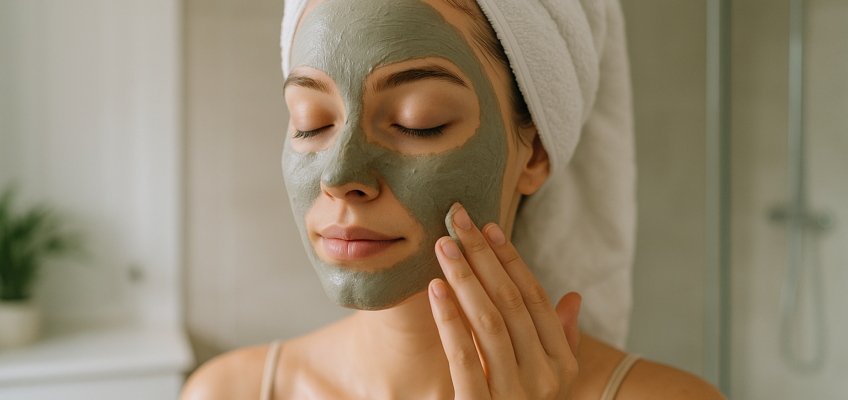
Best Clay Masks for Oily Skin: What Actually Works?
Finding the right clay mask for oily skin can be a bit of a challenge. Our complexion has its unique needs, and with so many products on the market, it can be hard to discern what truly works. In this guide, we’ll delve into the best clay masks tailored for oily skin, helping you choose the ideal product for a clearer, balanced complexion. We’ll also share some insights on other skincare treatments like chemical peels, some of which are available online, to offer you comprehensive care beyond just a clay mask.
Understanding Oily Skin
Oily skin is a common skin type characterized by the overproduction of sebum by the sebaceous glands. This can lead to a shiny appearance, larger-looking pores, and a predisposition to acne and blackheads. Proper skincare routines are essential for managing these concerns without stripping the skin of its natural moisture.
Clay masks are particularly beneficial for oily skin as they are known for their ability to absorb excess oil, reduce shine, and detoxify the skin. By drawing out impurities from deep within the pores, they provide a clearer, more refined complexion.
Types of Clay Masks for Oily Skin
Bentonite Clay
Bentonite clay is celebrated for its impressive oil-absorbing properties. When applied to the skin, it delivers an effective deep cleanse by drawing out impurities and excess oil. This detoxifying effect is ideal for those with oily and acne-prone skin as it helps to minimize breakouts and tighten the appearance of pores.
Kaolin Clay
Kaolin clay offers a gentler alternative to bentonite. Although it still provides excellent oil absorbing capabilities, it is less likely to irritate sensitive skin. This makes it a great choice for individuals who experience redness or irritation alongside oily skin. Kaolin clay masks are often suitable for everyday use.
Rhassoul Clay
Originating from Morocco, Rhassoul clay is rich in minerals like magnesium and silica, which contribute to its skin-loving qualities. While it absorbs oil, it also enhances the skin’s elasticity and provides a smoother texture. This type of clay can be an excellent all-rounder for those who wish to improve both oil control and skin texture.
How to Use Clay Masks Correctly
Using clay masks properly is crucial to reap the maximum benefits without irritation. Here’s a simple guide on how to apply clay masks for optimal results:
- Preparation: Begin by cleansing your face with a gentle cleanser to remove any surface impurities.
- Application: Apply an even layer of the clay mask over your face, avoiding the delicate eye area. If using a store-bought mask, follow the instructions as the formulation might slightly change.
- Duration: Allow the mask to dry partially, usually around 10-15 minutes, but not completely. This prevents the mask from sapping too much moisture.
- Removal: Rinse off with lukewarm water using gentle circular motions. Pat your skin dry with a clean towel.
- Post-care: Follow up with a lightweight, oil-free moisturizer to keep your skin hydrated.
Exploring Chemical Peels as an Alternative
While clay masks are exceptional for managing oily skin, chemical peels offer an effective alternative for deeper exfoliation and rejuvenation. Products like AHA or BHA peels can enhance skin texture and tone by promoting the shedding of dead skin cells. This can result in fewer breakouts and a brighter complexion.
These chemical exfoliants can be purchased online, including from trusted sources such as Exfoliateshop, where you can find options without needing a prescription. This allows you to incorporate professional-grade treatments into your skincare routine conveniently from home.
Tips for Choosing the Right Clay Mask
When selecting a clay mask, keep a few key factors in mind:
- Ingredients: Pay attention to the additional ingredients like essential oils or botanical extracts that can complement your skin’s needs.
- Brand Reputation: Opt for brands with positive reviews and a history of quality skincare products.
- Skin Response: Always perform a patch test to ensure the product does not irritate your skin.
- Frequency of Use: Consider how often you plan to use the mask, aligning it with the product’s recommended usage to avoid over-exfoliation.
By thoughtfully selecting a product, you can address oiliness while supporting the health and balance of your skin.
(FAQ) Frequently Asked Questions
Q: How often should I use a clay mask on oily skin?
A: You can use a clay mask 1 to 2 times a week to help control oil production and clean pores without over-drying your skin.
Q: Can clay masks be used with other skincare products?
A: Yes, clay masks can be integrated into your routine. Use them followed by a toner and oil-free moisturizer to maintain balanced hydration.
Q: Are clay masks suitable for sensitive, oily skin?
A: Yes, opt for gentler clays like kaolin which are less likely to cause irritation while still controlling oil.
Q: How do chemical peels differ from clay masks?
A: Chemical peels offer deeper exfoliation, enhancing cell turnover, while clay masks primarily absorb oil and detoxify the skin.
Q: Can I make my own clay mask at home?
A: Absolutely, many people mix powdered clay with water or apple cider vinegar for a homemade option, but always perform a patch test first.
Recommended Products
-

Fruit Clay Washable Mask 20g/0.7oz Sachet (10pcs)
Lemon Peel Extract + Orange Peel Extract + Kaolin
USD $32.00 Buy product -

Papaya Clay Washable Mask 20g/0.7oz Sachet (10pcs)
Papaya Extract + Kaolin
Dark SpotsEnlarged PoresExfoliationHyperpigmentationMedium StrengthOily/Acneic SkinSebum ControlUneven Skin ToneUSD $32.00 Buy product -

Wrinkle Free Clay Washable Mask 20g/0.7oz Sachet (10pcs)
Vitamin E + Kaolin
Dull SkinEnlarged PoresExfoliationFine LinesLight StrengthNormal/Combo SkinSkin HydrationUneven Skin ToneUSD $32.00 Buy product -

Dead Sea Clay Washable Mask 20g/0.7oz Sachet (10pcs)
Dead Sea Extract + Kaolin
BlackheadsCell TurnoverEnlarged PoresExfoliationMedium StrengthOily/Acneic SkinSebum ControlUneven Skin ToneUSD $32.00 Buy product -

Sea Weed Clay Washable Mask 20g/0.7oz Sachet (10pcs)
Sea Weed Extract + Kaolin
BlackheadsDull SkinEnlarged PoresExfoliationMedium StrengthOily/Acneic SkinSebum ControlUneven Skin ToneUSD $32.00 Buy product -

Chocolate Clay Washable Mask 20g/0.7oz Sachet (10pcs)
Cocoa Powder + Kaolin
BlackheadsExfoliationHyperpigmentationMedium StrengthOily/Acneic SkinScarsSkin LighteningUneven Skin ToneUSD $32.00 Buy product -

Activated Bamboo Charcoal Clay Washable Mask 20g/0.7oz Sachet (10pcs)
Bamboo Charcoal + Kaolin
BlackheadsCell TurnoverDeep StrengthDull SkinExfoliationOily/Acneic SkinSebum ControlUneven Skin ToneUSD $32.00 Buy product -

Gluta Arbut Arginine Clay Washable Mask 20g/0.7oz Sachet (10pcs)
Glutathione + Arbutin + Arginine + Kaolin
Cell TurnoverDark SpotsExfoliationHyperpigmentationMedium StrengthNormal/Combo SkinSkin LighteningUneven Skin ToneUSD $32.00 Buy product -

Vitamin C Collagen Clay Washable Mask 20g/0.7oz Sachet (10pcs)
Vitamin C + Collagen + Kaolin
Aging SkinDark SpotsDull SkinEnlarged PoresFine LinesHyperpigmentationOily/Acneic SkinRough TextureUneven Skin ToneUSD $32.00 Buy product -

Aloevera Vitamin B3 Clay Washable Mask 20g/0.7oz Sachet (10pcs)
Aloevera + Niacin + Kaolin
ExfoliationHyperpigmentationMedium StrengthNormal/Combo SkinSkin HydrationSkin LighteningStimulates CollagenUneven Skin ToneUSD $32.00 Buy product


