

Seasonal Exfoliation: Adjusting Peel Strength and Frequency Year-Round
Seasonal exfoliation is an integral part of maintaining healthy and vibrant skin throughout the year. While chemical peels offer a deeper exfoliation, regular adjustments in both peel strength and frequency are crucial to accommodate the changing skin needs that arise with different seasons. This guide provides insights into how you can optimize your exfoliation routine to ensure your skin remains radiant and healthy year-round.
Understanding Seasonal Skin Changes
Our skin is a dynamic organ that responds to environmental changes, including humidity, temperature, and UV exposure. During colder months, reduced humidity levels might lead to dry, flaky skin, while the warmer weather can increase oil production, potentially clogging pores. It’s vital to recognize these changes to tailor exfoliation practices accordingly.
Using chemical peels effectively helps remove dead skin cells, allowing healthier skin to emerge. It’s interesting to note that these peels can be purchased online from sources like Exfoliateshop without a prescription, providing convenience for users who prefer at-home treatments.
Adjusting Peel Strength Based on Season
The strength of a chemical peel refers to its concentration and potential effectiveness in removing skin layers. In winter, consider using milder peels to avoid excessive dryness and irritation. Lactic acid peels, known for their hydrating properties, can be especially beneficial during this time.
In contrast, summer may require stronger formulations such as salicylic acid peels to address increased sebum production and clogged pores. It’s essential to adjust the peel strength according to the season to maintain balanced skin without causing damage.
For more information about different types of chemical peels, refer to expert advice on aad.org.
How Often Should You Exfoliate?
Winter Exfoliation Routine
During winter, it is advisable to exfoliate less frequently to prevent over-sensitizing your skin. Once a week can suffice depending on individual skin tolerance. Always follow your exfoliation with a rich moisturizer to maintain skin hydration.
Summer Exfoliation Routine
In summer, exfoliating 2-3 times a week might be beneficial, considering the heightened activity of sebaceous glands. Ensure the use of sunscreen and hydrators to protect the fresh skin that emerges post-exfoliation.
Tips for Safe Home Exfoliation
When purchasing chemical peels online, be mindful of potential irritations. Always conduct a patch test 24 hours before full application. Pay attention to instructions specific to each product. Exfoliateshop offers a diverse selection, catering to both beginners and those accustomed to regular exfoliation.
Remember, moderation is key in any exfoliation routine. Listening to your skin’s needs and responding appropriately will maximize your efforts and safeguard your dermal health.
For safety measures on chemical peel usage, visiting the FDA’s website might be helpful.
The Role of Sun Protection in Exfoliation
Sun protection is indispensable when exfoliating. Newly exfoliated skin is more susceptible to UV damage. Therefore, applying broad-spectrum sunscreen daily is non-negotiable, regardless of the season. In addition to sunscreen, hats and sunglasses can offer additional protection, especially during sunny months.
More information on effective sun protection strategies can be found at cdc.gov.
(FAQ) Frequently Asked Questions
Q: What are chemical peels?
A: Chemical peels are treatments that use acids to exfoliate the top layers of skin, revealing smoother, clearer skin underneath.
Q: How do I choose the right chemical peel for my skin?
A: Consider your skin type and specific concerns. Consulting a dermatologist can provide personalized guidance.
Q: Can I use chemical peels if I have sensitive skin?
A: Yes, but opt for gentle formulations and perform a patch test to avoid irritation.
Q: How soon will I see results from a chemical peel?
A: Results can vary; some see improvements after one session, while others may require several applications.
Q: Is it safe to use chemical peels at home?
A: Yes, many at-home peels are available, but it's important to follow instructions and use reputable products.
Q: Can I combine exfoliation with other skincare treatments?
A: Yes, but consult your skincare professional to avoid over-exfoliation or irritation.
Q: Do I need to moisturize after using a chemical peel?
A: Absolutely, as moisturizing helps soothe and protect newly exfoliated skin.
Q: How often should I exfoliate if I have oily skin?
A: Exfoliating 2-3 times a week is recommended, depending on the peel's strength and individual tolerance.
Q: Are there any side effects from chemical peels?
A: Some side effects include redness, dryness, and mild irritation. Use as directed to minimize risks.
Q: Where can I buy chemical peels online?
A: Chemical peels can be purchased from online retailers like Exfoliateshop, offering various formulas for different skin needs.
Recommended Products
-
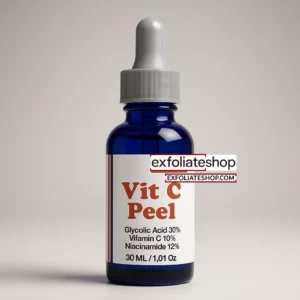
Vitamin C Peel 30ml/1oz
Glycolic Acid 30% + Vitamin C 10% + Niacinamide 12%
Dull SkinHyperpigmentationMedium StrengthNormal/Combo SkinReduces WrinklesSkin LighteningStimulates CollagenUneven Skin ToneUSD $36.00 Buy product -

Glycolic 50 Peel 30ml/1oz
Glycolic Acid 50% + Liquorice Extract + Tea Tree Extract
Aging SkinCell TurnoverDeep StrengthExfoliationFine LinesHyperpigmentationOily/Acneic SkinStimulates CollagenUSD $38.00 Buy product -

Nomelan A Peel 30ml/1oz
Mandelic Acid 20% + TCA 15% + Fenol 8% + Glycolic Acid 2% + Salicylic Acid 2% + Ferulic Acid 2% + Phytic Acid 2% + Retinol 2% + Vitamin C 5%
USD $48.00 Buy product -

Glycolic 40 Gel Peel 30ml/1oz
Glycolic Acid 40% + Liquorice Extract + Tea Tree Extract
Cell TurnoverExfoliationHyperpigmentationMedium StrengthMelasmaOily/Acneic SkinSkin LighteningStimulates CollagenUSD $37.00 Buy product -

SGC Peel 30ml/1oz
Glycolic Acid 25% + Salicylic Acid 18% + Citric Acid 8% + Liquorice Extract + Tea Tree Extract
BlackheadsExfoliationHyperpigmentationMedium StrengthOily/Acneic SkinScarsSkin LighteningUneven Skin ToneUSD $37.00 Buy product -

Pigment Correction Peel 30ml/1oz
Lactic Acid 10% + Kojic Acid 5% + Salicylic Acid 2% + Citric Acid 10% + Hydroquinone 2% + Liquorice Extract + Tea Tree Extract
ExfoliationHyperpigmentationMedium StrengthMelasmaNormal/Combo SkinSkin LighteningStimulates CollagenUneven Skin ToneUSD $38.00 Buy product -

Acnil & Lightening Peel 30ml/1oz
Resorcinol 15% + Lactic Acid 10% + Salicylic Acid 3% + Glycolic Acid 25% + Citric Acid 10% + Kojic Acid 5% + Liquorice Extract + Tea Tree Extract
ExfoliationHyperpigmentationMedium StrengthMelasmaOily/Acneic SkinScarsSkin LighteningStimulates CollagenUSD $39.00 Buy product -

Under Arm Peel 30ml/1oz
Glycolic Acid 20% + TCA 15% + Lactic Acid 20% + Kojic Acid 10% + Liquorice Extract + Tea Tree Extract
Cell TurnoverDark SpotsExfoliationHyperpigmentationMedium StrengthNormal/Combo SkinSkin LighteningUneven Skin ToneUSD $42.00 Buy product -

Mandelic Acnil Peel (For Comedogenic Acne) 30ml/1oz
Mandelic Acid 20% + Salicylic Acid 15% + Glycolic Acid 20%
Acne ScarsBlackheadsExfoliationMedium StrengthOily/Acneic SkinSebum ControlUneven Skin ToneWhiteheadsUSD $37.00 Buy product -

Glycolic 30 Gel 30ml/1oz
Glycolic Acid 30%
Acne ScarsFine LinesHyperpigmentationMedium StrengthMelasmaNormal/Combo SkinStimulates CollagenUneven Skin ToneUSD $34.00 Buy product -

Glycolic 30 Peel 30ml/1oz
Glycolic Acid 30%
Acne ScarsHyperpigmentationMedium StrengthMelasmaNormal/Combo SkinOily/Acneic SkinReduces WrinklesUneven Skin ToneUSD $35.00 Buy product -

Salicylic 15 Peel 30ml/1oz
Salicylic Acid 15% + Liquorice Extract + Tea Tree Extract
Acne ScarsEnlarged PoresHyperpigmentationMedium StrengthMelasmaOily/Acneic SkinStimulates CollagenUneven Skin ToneUSD $33.00 Buy product


