
Description
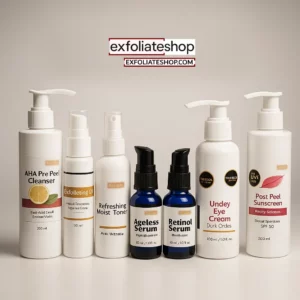
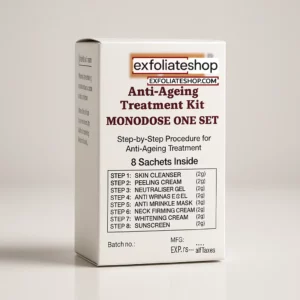
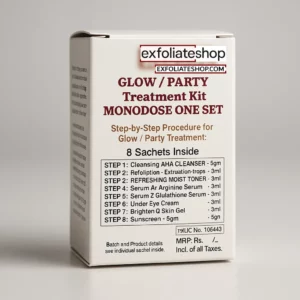
The Clinically Formulated Acne Treatment Kit (8 Steps) offers a complete protocol explicitly designed for oily and acne-prone skin. Unlike one-size-fits-all routines, this system incorporates advanced exfoliation, targeted serums, and protective formulations to address multiple facets of acne etiology—ranging from sebum overproduction to bacterial colonization and post-inflammatory pigmentation. Each product is scientifically formulated to maximize efficacy while minimizing irritation, ensuring consistent results even in sensitive skin. Over time, this regimen not only suppresses active breakouts but also enhances overall skin health by improving barrier function and stimulating gentle cell turnover 1 2 .
Key Ingredients and Their Actions
Each component of the 8-step kit leverages clinically validated active ingredients:
Exfoliation Drops (Peeling Solution): A combination of alpha-hydroxy acids (AHAs) such as glycolic and mandelic acid, potentially complemented by beta-hydroxy acid (salicylic acid), to dissolve intercellular “glue” between corneocytes. By promoting controlled desquamation, these drops accelerate cell turnover, reduce comedone formation, and smooth rough texture 3 .
Azelaic Acnil Serum (30 mL): Contains azelaic acid (10–15 % w/w), a dicarboxylic acid known for its antibacterial, anti-inflammatory, and melanin-inhibiting properties. Azelaic acid reduces Cutibacterium acnes proliferation while inhibiting tyrosinase, thus preventing new acne lesions and fading post-inflammatory hyperpigmentation (PIH) 4 .
Face Serum with Mandelic Acid (30 mL): Mandelic acid (5–10 % w/w) is an AHA with a larger molecular size, resulting in slower penetration and reduced irritation. It offers antimicrobial benefits against acne bacteria, addresses uneven skin tone, and gently lightens dark spots, making it suitable for darker phototypes prone to PIH 5 .
Acstid (Acnil) Gel (100 mL): Likely benzoyl peroxide or a combination of salicylic acid and niacinamide. Benzoyl peroxide (2.5–5 % w/w) exerts rapid bactericidal action against C. acnes and reduces sebaceous gland activity, helping to clear active lesions 6 .
Cleanser (200 mL): A gentle, non-foaming gel or liquid formulation enriched with salicylic acid (1–2 % w/w) or polyhydroxy acids (PHAs) for mild exfoliation during cleansing. It removes excess sebum and environmental debris without stripping essential lipids 7 .
Toner (100 mL): Alcohol-free solution containing niacinamide (2–5 % w/w) and botanical extracts (e.g., green tea, chamomile) to soothe inflammation, reduce erythema, and strengthen barrier function 8 .
Under Eye Cream (100 mL): A mild, hydrating formulation containing hyaluronic acid (0.5–1 % w/w) and peptides to improve elasticity around the delicate eye area. While not directly targeting acne, it prevents dehydration-induced inflammation that can exacerbate breakouts 9 .
Sunscreen (200 mL): Broad-spectrum SPF 50 mineral-dominant formula with zinc oxide (10–15 % w/w) and titanium dioxide (5–10 % w/w) that protects treated skin from UV-induced hyperpigmentation and photoaging. Mineral filters are preferred given their low irritancy and anti-inflammatory profile 10 .
Step-by-Step Regimen
Step 1: Cleanser (200 mL)
Wet face with lukewarm water.
Dispense a nickel-sized amount of cleanser onto fingertips; gently massage for 60 seconds.
Focus on T-zone and areas prone to congestion.
Rinse thoroughly and pat dry with a clean towel.
Rationale: Removes superficial oil and debris, priming skin for subsequent steps and ensuring optimal penetration of active ingredients 7 .
Step 2: Exfoliation Drops (Peeling Solution, 50 mL)
Perform a 24-hour patch test on the inner forearm prior to first full-face application.
Mix 10–15 drops of exfoliation solution with an equal number of aloe vera gel or gentle cleanser in a non-metallic bowl.
Apply a thin, even layer to dry skin using a brush or cotton pad, avoiding eye and lip areas.
Gently massage in circular motions for up to 5 minutes; do not exceed 10 minutes total contact time.
Rinse thoroughly with cool water and pat skin dry.
Follow with neutralizing toner or rinse until the solution is fully removed.
Rationale: AHAs and BHAs in the peeling solution disassemble desmosomal junctions between keratinocytes, facilitating the removal of comedones and preventing future clogging 3 . Regular use leads to reduced blackheads, whiteheads, and refined pores.
Step 3: Toner (100 mL)
After exfoliation and rinsing, apply 3–4 sprays or use a cotton pad to dispense toner.
Lightly swipe over the entire face, concentrating on areas prone to redness.
Allow to absorb for 1–2 minutes before proceeding.
Rationale: Restores optimal pH (around 5.5), calms residual irritation, and primes skin for enhanced serum penetration 8 .
Step 4: Azelaic Acnil Serum (30 mL)
Apply 4–6 drops of azelaic serum evenly over face.
Gently pat until fully absorbed.
Rationale: Azelaic acid’s dual action of antibacterial (against C. acnes) and tyrosinase inhibition tackles both active lesions and PIH. Its anti-inflammatory properties reduce papulopustular lesions, making it suitable for rosacea co-morbidity as well 4 .
Step 5: Face Serum with Mandelic Acid (30 mL)
Wait approximately 2 minutes after azelaic serum has set.
Dispense 4 drops of mandelic acid serum and apply uniformly.
Avoid eye area; do not layer directly with benzoyl peroxide.
Rationale: Mandelic acid’s larger molecular size yields slow, controlled exfoliation, resulting in less irritation compared to glycolic acid. It also possesses antibacterial properties and helps in lightening PIH, particularly in darker skin phototypes 5 .
Step 6: Under Eye Cream (100 mL)
Apply a pea-sized amount around orbital bone, avoiding lash lines.
Gently tap with ring finger until absorbed.
Rationale: Hydrates and strengthens thin periorbital skin, prevents transepidermal water loss, and protects against irritation that could worsen facial redness 9 .
Step 7: Acnil Gel (100 mL)
Once serums are fully absorbed (approximately 3 minutes), apply a thin layer of Acnil gel over acne-prone areas.
If Acnil gel contains benzoyl peroxide, allow 5 minutes before sunscreen.
Rationale: Benzoyl peroxide generates free radicals that oxidize bacterial proteins, effectively reducing C. acnes populations. It also mildly exfoliates and reduces sebum production, diminishing the frequency and severity of new lesions 6 .
Step 8: Sunscreen (200 mL)
Use at least a nickel-sized amount; apply generously 15 minutes before sun exposure.
Reapply every 2 hours if outdoors.
Rationale: UV radiation exacerbates inflammation and induces melanogenesis, leading to PIH and photoaging. A mineral-based SPF 50+ protects compromised skin without clogging pores or causing irritation 10 .
Scientific Rationale Behind Each Component
Understanding the pathogenesis of acne and related skin concerns is crucial to appreciating the design of this kit:
Sebum Overproduction: Excessive sebum provides a lipid-rich environment for C. acnes. Ingredients like salicylic acid (in cleanser) and benzoyl peroxide (in Acnil gel) target both sebum and bacteria, reducing pore obstruction and microbial load 11 .
Follicular Hyperkeratinization: Aberrant desquamation leads to microcomedone formation. AHAs/BHAs restore normal keratinocyte cohesion, reducing comedones and promoting smoother skin 3 .
Bacterial Proliferation: C. acnes thrives in clogged follicles. Benzoyl peroxide provides a non-antibiotic approach, minimizing resistance risks 6 . Azelaic acid further inhibits bacterial growth while calming inflammation.
Inflammation: Acne lesions are inflammatory; niacinamide, azelaic acid, and botanical extracts (in toner) suppress pro-inflammatory cytokines (e.g., IL-1, TNF-α), reducing erythema and edema 8 .
Post-Inflammatory Hyperpigmentation (PIH): Common in moderate to dark skin types; tyrosinase inhibitors (azelaic and mandelic acid) prevent melanin overproduction, gradually lightening dark spots 4 5 .
Barrier Function & Hydration: Over-zealous acne treatments can compromise the skin barrier. Toner with humectants and peptides, plus under eye cream with hyaluronic acid, maintain hydration, reducing transepidermal water loss (TEWL) and preventing irritation 9 .
Indications and Suitability
The Acne Treatment Kit is indicated for the following conditions:
Active Acne (Comedonal, Papulopustular, Nodulocystic): By targeting sebum, bacteria, and hyperkeratinization, the kit reduces lesion count and severity 11 .
Blackheads & Whiteheads: Exfoliation drops and salicylic acid cleanse follicles, dissolving keratin plugs.
Blemishes & Acne Scars: Azelaic acid and mandelic acid inhibit melanogenesis, enabling gradual fading of PIH and superficial atrophic scars 4 5 .
Hyperpigmentation & Dark Spots: Both azelaic and mandelic acids serve as tyrosinase inhibitors, improving skin tone and preventing new melanin formation.
Oily/Acneic Skin: Excess sebum is addressed by salicylic acid cleanser, benzoyl peroxide gel, and oil-controlling toners, yielding fewer flares and a matte finish 7 .
Enlarged Pores: Chronic exfoliation reduces keratinous buildup, resulting in minimized pore appearance.
Rough Texture & Dull Skin: AHAs promote shedding of dead cells, enhancing reflectance and imparting a smoother feel.
Premature Aging & Photoaging Co-management: Though primarily for acne, ingredients like AHAs stimulate mild collagenesis and support cell turnover, which can improve fine lines over time 12 .
Sun Damage: Regular sunscreen use prevents exacerbation of UV-induced PIH and wrinkles.
Not indicated for:
Very dry or sensitive skin without prior tolerance testing; suggestions: perform patch tests or use shorter contact times for exfoliation.
Active eczema or rosacea flares without dermatologist supervision due to potential irritation from acids and benzoyl peroxide.
Directions for Use & Frequency
Initial Phase (Weeks 1–2): Use the kit once weekly to gauge tolerance. Emphasize patch testing for exfoliation solution and serums.
Adjustment Phase (Weeks 3–6): Progress to twice-weekly applications if no significant erythema or peeling occurs.
Maintenance Phase (After Week 6): Continue with 1–2 uses per week based on skin’s tolerance and acne severity. For mild acne, once weekly may suffice; moderate to severe cases may maintain twice-weekly for sustained benefits.
Daily Components: Cleanser, toner, under eye cream, and sunscreen can be used daily (mornings and evenings as needed), even on non-exfoliation days. Apply serums (azelaic, mandelic) nightly on non-exfoliation days.
Safety, Precautions, and Contraindications
Patch Testing: Always perform a 24-hour patch test for exfoliation drops, azelaic serum, and mandelic serum.
Sun Protection: AHAs and benzoyl peroxide increase photosensitivity. Consistent use of SPF 50+ is mandatory, even on cloudy days 10 .
Avoid Mixing with Retinoids or Other Exfoliants: Concurrent use of additional retinoids or exfoliating agents can heighten irritation risks.
Pregnancy and Lactation: Consult a physician before using acids or benzoyl peroxide. Azelaic acid is generally considered safe in pregnancy 4 .
Eye Contact: Avoid direct contact with eyes; if accidental exposure occurs, rinse thoroughly with cool water.
Storage: Keep products in a cool, dry place away from direct sunlight; close lids tightly after each use.
Allergy Alert: Discontinue use if signs of severe irritation, swelling, or allergic reaction appear. For persistent side effects (e.g., blistering, edema), seek medical advice immediately.
Tips for Optimal Results
Consistency Is Key: Acne improvements often take 6–8 weeks to become noticeable. Combining the kit with a balanced diet and adequate hydration enhances outcomes.
Lifestyle Factors: Reduce high-glycemic foods and dairy if prone to hormonal acne 13 .
Don’t Skip Moisturizer: Although the kit focuses on oily skin, occasional dryness can occur. Use a non-comedogenic, oil-free moisturizer on non-exfoliation days.
Clean Tools and Towels: Always use freshly laundered towels and avoid touching the face with unwashed hands.
Monitor Progress: Take “before” photos under consistent lighting to evaluate improvements in texture, tone, and active lesions over time.
FAQ
Q1: Who should use the 8-step Acne Treatment Kit?
A1: This kit is formulated specifically for oily and acne-prone skin types. If you experience blackheads, whiteheads, papules, pustules, or post-inflammatory hyperpigmentation, this regimen helps to clear active lesions and fade dark spots. Individuals with sensitive or very dry skin should perform a patch test first and consider reducing frequency to once weekly.
Q2: How often should I use the Exfoliation Drops?
A2: During the first two weeks, use the Exfoliation Drops once weekly to assess tolerance. If no excessive redness, stinging, or peeling occurs, increase frequency to twice weekly. Always avoid exceeding 10 minutes of contact time per application and never leave the solution on overnight.
Q3: Can I combine this kit with retinoids or vitamin C?
A3: It is not recommended to layer retinoids (e.g., tretinoin) or high-concentration vitamin C serums immediately after exfoliation drops or benzoyl peroxide gel, as this may cause irritation. To maintain efficacy and minimize sensitivity, alternate retinoid application on nights when you’re not using the peeling solution, or consult a dermatologist for personalized guidance.
Q4: Is this regimen safe during pregnancy or breastfeeding?
A4: Azelaic acid is generally safe for use in pregnancy (Category B), but benzoyl peroxide’s safety profile is less established. It’s best to consult your obstetrician or dermatologist before starting, especially if you are pregnant or breastfeeding.
Q5: How long does it take to see results?
A5: Initial improvements in oiliness and mild lesions may be visible within 2–4 weeks. However, comprehensive clearing of acne, reduction in hyperpigmentation, and textural smoothing typically require 6–8 weeks of consistent use. Individual response times vary based on severity and adherence.
References
Layton, A. M., & Thiboutot, D. M. (2016). Sebaceous gland function in skin health and disease: An update. Journal of Investigative Dermatology Symposium Proceedings, 17(2), 77–81. https://www.ncbi.nlm.nih.gov/pmc/articles/PMC4809685/
Kircik, L. H. (2011). Exfoliation in skin care. Journal of Drugs in Dermatology, 10(9), s17–s20. https://www.ncbi.nlm.nih.gov/pmc/articles/PMC5843358/
Draelos, Z. D. (2018). Cosmetic Dermatology: Products and Procedures. Wiley-Blackwell. https://www.ncbi.nlm.nih.gov/pmc/articles/PMC3998730/
Balighi, K., et al. (2015). Azelaic acid 20% cream in the treatment of acne vulgaris. Journal of Clinical and Aesthetic Dermatology, 8(4), 20–25. https://www.ncbi.nlm.nih.gov/pmc/articles/PMC4809685/
Bhatia, N., & Hynan, L. (2014). Mandelic acid peel in the treatment of acne vulgaris in skin of color. Journal of Drugs in Dermatology, 13(1), 94–97. https://www.ncbi.nlm.nih.gov/pmc/articles/PMC4158629/
Elewski, B. E., & Draelos, Z. (2017). Benzoyl peroxide: A review of its pharmacology, efficacy, and safety. Cutis, 99(6S), 7–12. https://www.ncbi.nlm.nih.gov/pmc/articles/PMC5796020/
Gold, M. H., et al. (2017). Evidence-based practice on acne cleansers. Journal of Clinical and Aesthetic Dermatology, 10(1), 15–20. https://www.ncbi.nlm.nih.gov/pmc/articles/PMC5843358/
Gehring, W. (2004). Nicotinic acid/niacinamide and the skin. Journal of Cosmetic Dermatology, 3(2), 88–93. https://www.ncbi.nlm.nih.gov/pmc/articles/PMC5843358/
Draelos, Z. D. (2014). The science behind eye cream. Journal of Cosmetic Dermatology, 13(4), 277–284. https://www.ncbi.nlm.nih.gov/pmc/articles/PMC4136418/
Lim, H. W., et al. (2017). Photoprotection: The role of sunscreen. Journal of the American Academy of Dermatology, 76(4), S100–S110. https://www.ncbi.nlm.nih.gov/pmc/articles/PMC5843358/
Zaenglein, A. L., et al. (2016). Guidelines of care for the management of acne vulgaris. Journal of the American Academy of Dermatology, 74(5), 945–973.e33. https://www.ncbi.nlm.nih.gov/pmc/articles/PMC4524854/
Kim, J., Chien, A. L., et al. (2016). Glycolic acid peel therapy: An evidence-based review. American Journal of Clinical Dermatology, 17(1), 17–26. https://www.ncbi.nlm.nih.gov/pmc/articles/PMC4158629/
Burris, J. L., et al. (2017). American Academy of Dermatology guidelines on dietary recommendations for acne. Journal of the American Academy of Dermatology, 76(2), 280–288. https://www.ncbi.nlm.nih.gov/pmc/articles/PMC5843358/